
Model Explainers·
What to Expect from a Free AI Photo Editor: Speed, Quality, and Privacy
A realistic look at a free AI photo editor across speed, quality, and privacy — what performs well, what the limits are, and what to check before trusting it.
A realistic look at a free AI photo editor across speed, quality, and privacy — what performs well, what the limits are, and what to check before trusting it.
How an image to PDF converter should handle three different inputs — scanned documents, photographs, and screenshots — each with its own geometry and quality issues.
How to turn a photo into a PDF that suits its purpose — legible documents, well-presented portfolios, and durable records — plus what to check before exporting.
How to get professional results with a free AI image editor — preparing the source, the core edits that matter, workflow habits, and working within free limits.
How an Image to Image AI Generator carries a project from rough sketch to finished render — early ideation, mid-stage iteration, and final presentation work.
What a free AI image generator actually gives hobbyists and small teams — where it holds up, where quotas and resolution caps bite, and how to choose without overcommitting.
A practical framework for evaluating AI Image to Video tools across three axes — how much of the source survives, how fast you can iterate, and what the output really costs.
How to download YouTube video in HD without degrading it — where quality is lost in the chain, which settings preserve it, and what to check before you delete the original.
Inside the Free AI Photo Editor — how it reduces noise, corrects colour, and recovers detail, what to expect from each, and how to get the best from all three.
An honest look at the Free AI Image Editor — what it does remarkably well, where its limitations sit, and how to work with both for consistently good results.
Compare Image to Image AI Generator platforms on what matters — structural control and output fidelity — and learn a practical method for judging them yourself.
How Text to Image is used in art, design, and product visualization — where it accelerates creative work, where its limits sit, and how to use it well.
How to identify the best AI Video Generator for your needs — define your use case, judge fidelity and features, and test platforms with a simple honest method.
How to get strong results from an AI Image Generator free tier — prompt craft, workarounds for common limits, and the habits that keep quality high at no cost.
How to choose an Image Generator — the key features that matter, the performance signals worth judging, and a practical method for comparing tools on your own terms.
AI Image to Video runs on two very different engines: frame interpolation and generative motion. Understanding both explains what the technology can — and cannot — do.
How an Image to PDF Converter preserves layout and resolution — page setup, ordering, compression choices, and the settings that keep your document looking right.
Free AI Photo Editor options compared for casual and semi-pro users — what each skill level actually needs, which capabilities matter, and how to choose well.
Free AI Image Editor tools versus paid suites — where the real feature gaps are, which workarounds bridge them, and when upgrading genuinely makes sense.
The main Image to Image AI techniques explained — Pix2Pix, CycleGAN, and diffusion approaches — how each transforms images, and where each one fits best.
How teams use an AI Video Generator in advertising, training, and entertainment — where it fits naturally, where it does not, and what makes each use case work.
How an Image Generator composes pictures — from text understanding to progressive refinement, and the concepts that explain why results look the way they do.
A practical guide to how people download YouTube video content — the tool categories, the legal questions to weigh first, and the caveats worth knowing.
How AI Image to Video is used across industries — from marketing and e-commerce to education and entertainment — and what makes each use case a natural fit.
How Text to Video technology works — the semantic parsing that reads your prompt and the scene synthesis that builds the clip, explained step by step and in plain terms.
Compare AI Video Generator platforms by features, pricing models, and output fidelity — how they differ, where the trade-offs sit, and how to choose between them.
How an Online Video Converter fits mobile, web, and desktop workflows — what each setup does well, the trade-offs involved, and how to pick the right approach.
See what a Free AI Image Editor can do today — the core capabilities modern tools offer, from object removal to restyling, and how free editors compare.
Explore AI Image Generator free options — what no-cost tools typically give you, where the limits show up, and what you give up compared with paid plans.
Premium downloads expire after 29 days offline and vanish when you cancel. See what Premium and Premium Lite really cost per year, and when a free WearAI download makes more sense.
Learn how subtitle files work, where to get SRT captions, and how to pair them with a free WearAI download to watch YouTube offline on desktop, iPhone, Android or TV.
Want a YouTube video in your camera roll? Save it as an MP4 with WearAI, move it from Files to Photos in one tap, and edit, share or watch it offline. Works on Android too.
Learn how to download YouTube video content for offline use — the common methods, what each one involves, and the caveats worth knowing before you start.
Learn how Image to Image AI preserves the structure of your source photo while changing its appearance — and how the balance between the two is controlled.
No Wi-Fi on the plane or a data cap running low? Here are three easy ways to keep YouTube videos ready offline, including a free way to save MP4 and audio files with WearAI YouTube Downloader.
See how an Image to Image AI Generator handles pairing and guidance — matching your source image with your prompt and steering the appearance without breaking structure.
Discover how Text to Image synthesis works. Learn how AI turns language prompts into detailed visuals, the technology behind prompt interpretation, and creative potential of Text to Image tools.
Learn how Text to Video models understand narrative structure and control pacing. Explore the AI mechanisms behind story interpretation, shot timing, and temporal coherence in Text to Video generation.
Discover how AI Video Generator transforms text scripts into polished videos seamlessly. Learn the end-to-end script-to-screen pipeline, core tech, use cases, and future potential of AI Video Generator for creators & businesses.
Learn how to download YouTube videos to watch offline. Compare YouTube Premium vs WearAI, a free online YouTube downloader for MP4, WEBM and audio.
Explore what AI Image to Video can do and where it falls short. Learn core capabilities, current limits, and how to set realistic expectations for AI video creation.
Discover how Image to Video AI turns static images into moving clips. Learn core principles, top use cases, strengths, limits, and tips for better AI animation.
Explore how AI Image to Video transforms static art into moving stories. Learn core mechanics, storytelling use cases, benefits, limits, and what the future holds.
Learn how an Online Video Converter works. Understand video formats, codecs, compatibility, benefits, limits, and tips for better browser-based conversions.
Learn how to convert Photo Image to PDF while keeping sharpness, colors, and detail. Compare desktop, native, and online methods, plus best practices and FAQs.
Looking for the Best AI Video Generator? Compare top tools for social media, film, and corporate video. Learn key traits and how to choose the right one.
Explore the latest Image Generator trends and emerging players. Learn how to choose the right Image Generator for your workflow, from casual creation to pro use.
Discover how Image to Video AI works. Learn how motion synthesis and temporal consistency combine to turn static images into smooth, lifelike video clips.
Want to download YouTube video for offline viewing? Compare desktop, web-based, and mobile YouTube downloaders—key features, use cases, and how to choose.
We compared the leading AI image generators of 2026 - Nano Banana, Seedream, Flux, GPT Image, Ideogram, Imagen - on quality, editing and use case.
Nano Banana is Google's Gemini image model, known for keeping subjects consistent across shots. Here's what it does and how to use it.
Kling 3.0 is Kuaishou's 1080p AI video model, with lifelike motion and both text-to-video and image-to-video. Here's what it does and how to use it.
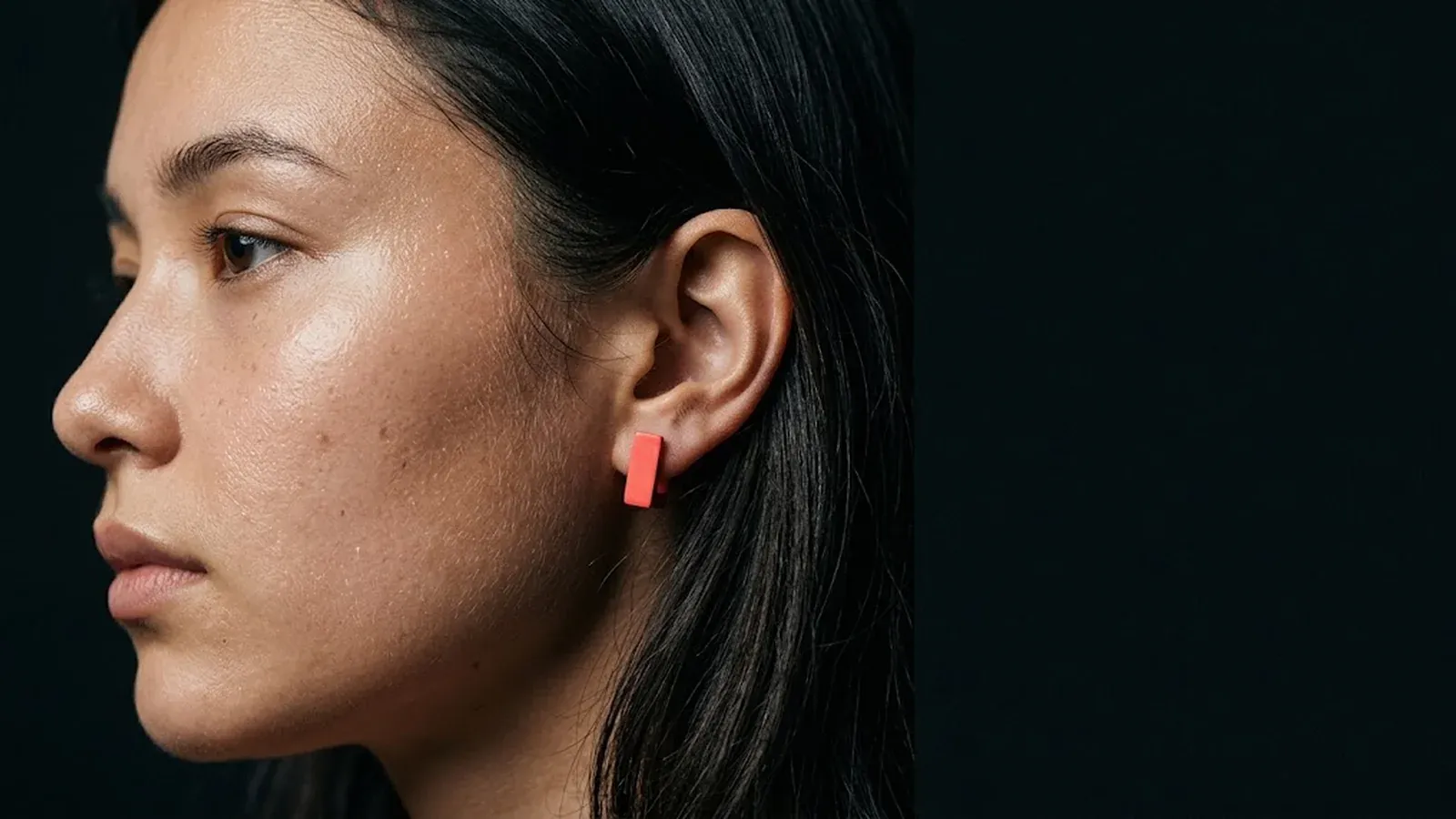
Imagen 4 is Google's photorealistic AI image model, generating detailed, true-to-life images from a prompt. Here's what it does and how to use it.
Grok Imagine is xAI's all-in-one model for AI images and short video. Here's what it does, how it compares, and how to use it on WearAI.
An uncensored AI video workflow - most permissive animating a photo (image-to-video), with fewer refusals than mainstream tools, running models like Grok Imagine.
An uncensored, unfiltered AI image workflow - fewest refusals from a reference image, for mature and artistic work, running models like Grok Imagine.
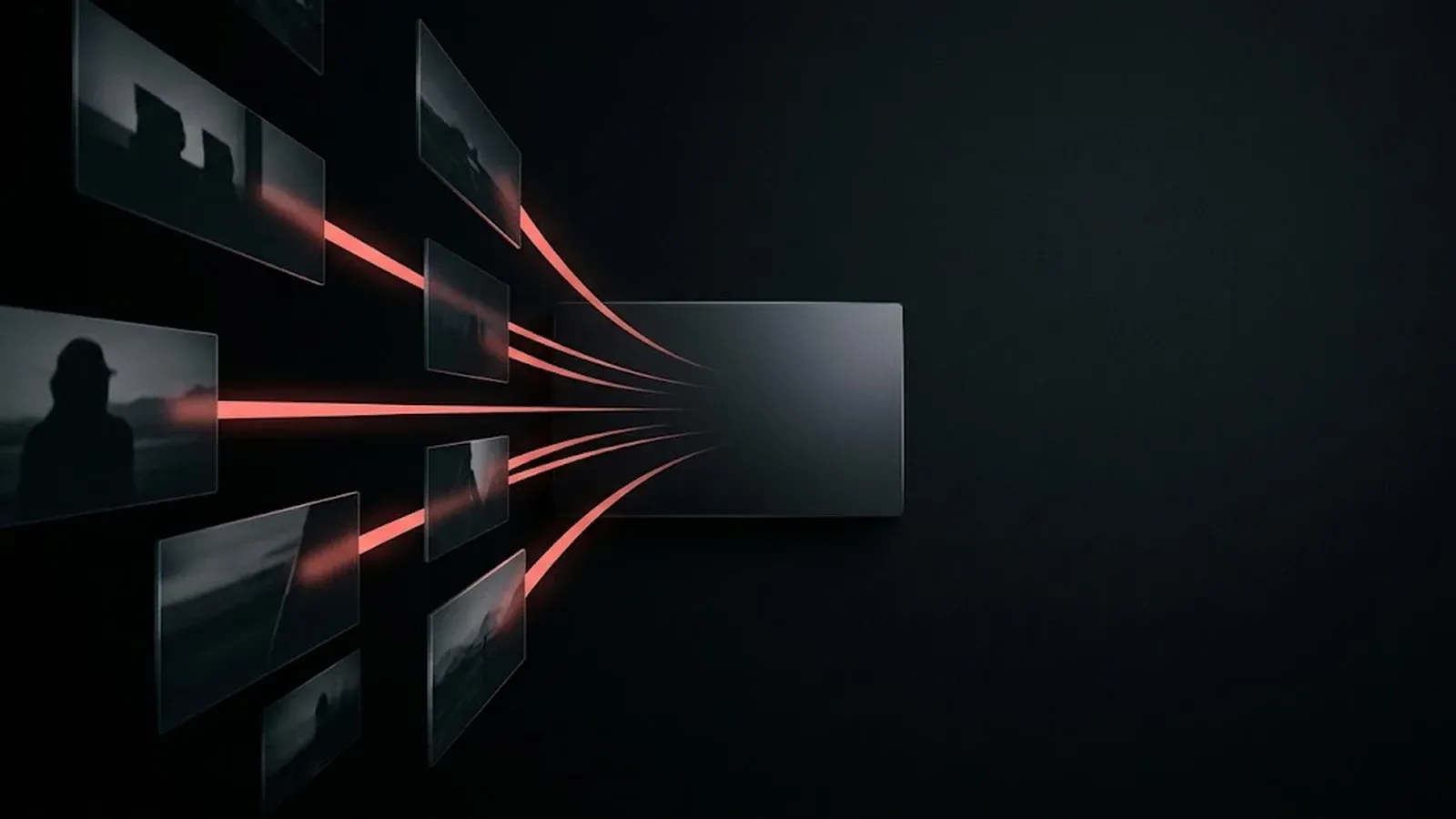
Looking for a Sora alternative? WearAI runs Kling, Runway, Google Veo, Hailuo, Seedance and more in one workspace - free to start, no ChatGPT plan needed.
Turn a still into mature, uncensored AI video - image-to-video with fewer refusals than mainstream tools, running models like Grok Imagine on WearAI.
Make mature, uncensored AI images - most permissive from a reference image, with fewer refusals than mainstream tools, running models like Grok Imagine.
Edit and restyle existing images with an uncensored, image-to-image workflow - fewer refusals than mainstream editors, using models like Grok Imagine, Seedream and Qwen.
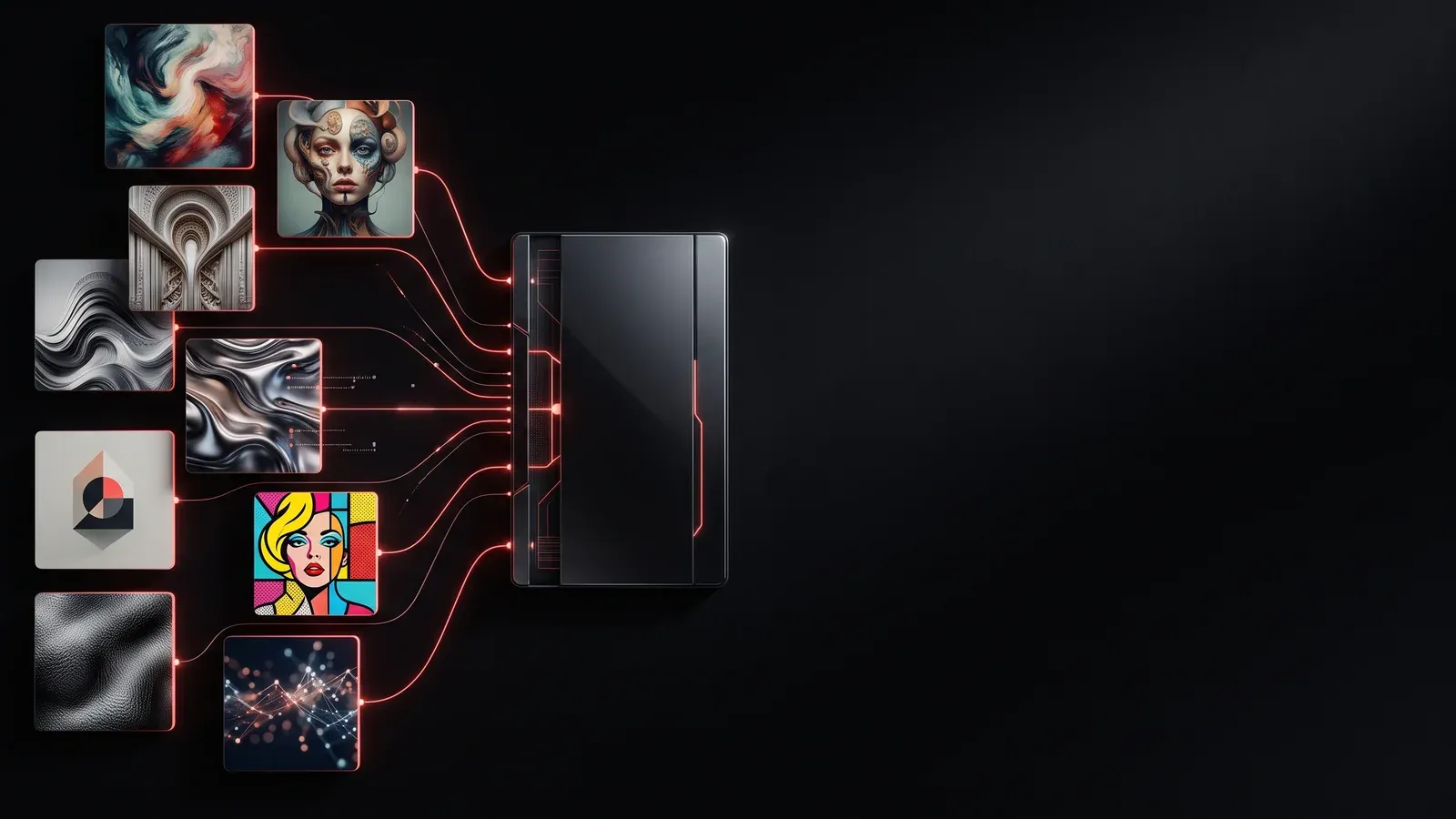
Looking for a Midjourney alternative? WearAI runs Nano Banana, Seedream, Flux, GPT Image, Ideogram and Imagen in one workspace - free to start.
We compared the best uncensored and NSFW AI generators of 2026 for image and video - on permissiveness, models and use case. Honest picks.
We compared the best AI video generators of 2026 - Kling 3.0, Runway, Google Veo, Luma, Hailuo and Pika - on motion, resolution and use case.