
AI Image to Video Technology and the Future of Visual Storytelling
Explore how AI Image to Video transforms static art into moving stories. Learn core mechanics, storytelling use cases, benefits, limits, and what the future holds.
WearAI Team
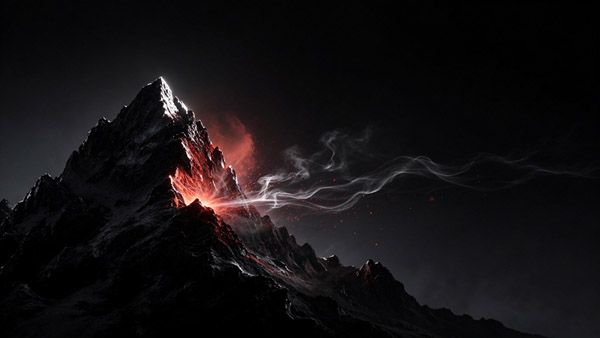
AI Image to Video has opened up an entirely new chapter for visual storytelling, lowering barriers for creators to transform static artwork, photography, and concept frames into immersive moving narratives. With AI Image to Video, storytellers no longer need full film crews, expensive camera gear, or advanced animation expertise to bring their ideas to life. This article explores the core mechanics of AI Image to Video, its impact on modern visual storytelling, and what the future may hold as AI Image to Video technology continues to mature.
What Is AI Image to Video?
AI Image to Video is a category of generative media technology that takes a single static image as input and generates a continuous video sequence. The system analyzes the visual elements, depth, lighting, and composition of the source image, then predicts natural movement and generates new frames to build a smooth video clip.
For visual storytellers, AI Image to Video serves as a creative bridge between still art and motion media. It turns concept art, storyboard panels, character portraits, and environmental scenes into animated previews, letting creators quickly visualize how a story might unfold in motion. As AI Image to Video capabilities advance, it reshapes how stories are conceived, prototyped, and shared across digital platforms.
How AI Image to Video Powers Visual Storytelling
At its heart, AI Image to Video is built to infer believable motion from a frozen moment captured in an image. Instead of requiring pre-shot footage, the model extrapolates movement that fits the scene’s context.
- Scene depth perception: AI Image to Video distinguishes foreground and background layers, enabling realistic camera movement and parallax effects that add depth to stories.
- Plausible motion generation: The model creates subtle movement for characters, environments, weather effects, and lighting to match the mood of the original image.
- Frame-to-frame stability: High-quality AI Image to Video preserves characters, objects, color grading, and artistic style across frames to avoid distracting visual flicker.
- Fast iteration for storyboarding: Creators can test multiple versions of a scene quickly, refining pacing and atmosphere without time-consuming manual animation.
This workflow makes AI Image to Video an invaluable prototyping tool for storytellers, allowing them to quickly translate written scripts and static storyboards into moving visual previews.
Current Use Cases for AI Image to Video in Storytelling
AI Image to Video is already integrated into many storytelling workflows across different creative fields.
Independent filmmakers use AI Image to Video to animate storyboard panels and build mood reels during pre-production, helping pitch stories to collaborators. Digital artists leverage AI Image to Video to turn illustrations and concept paintings into short narrative clips for social media. Marketing and brand storytellers create brief cinematic teasers from static campaign visuals.
Writers and game designers also benefit from AI Image to Video, using it to visualize fictional environments and character moments, bringing written scenes into motion for early feedback. Hobby creators can craft short narrative snippets with minimal technical setup, democratizing visual storytelling.
The Benefits of AI Image to Video for Storytellers
- Democratized motion creation: AI Image to Video lets creators focus on narrative ideas rather than mastering complex animation or filming techniques.
- Rapid story prototyping: New scene variations can be generated in minutes, speeding up the iterative storytelling process.
- Style preservation: AI Image to Video retains the unique artistic style of the original image, so the tone of the story stays consistent.
- Flexible creative exploration: Storytellers can experiment with different camera movements and subtle scene motion to test multiple narrative directions.
Current Limitations of AI Image to Video for Narrative Work
Even with impressive progress, AI Image to Video still faces constraints that impact longer or more complex storytelling projects.
AI Image to Video struggles with highly coordinated character actions and complex physical interactions. Longer sequences often introduce visual inconsistencies, such as shifting object shapes or flickering details. Most AI Image to Video platforms are optimized for short clips, which limits its use for full-length narrative content at this stage.
The technology also cannot fully understand narrative intent on its own. Creators still need to guide scenes, select source images, and review outputs to ensure the motion aligns with the story’s intended emotion and plot. AI Image to Video acts as a creative assistant rather than a replacement for human storytelling judgment.
The Future of Visual Storytelling with AI Image to Video
Looking ahead, AI Image to Video will continue to evolve and become more tightly integrated into end-to-end storytelling pipelines. Future iterations of AI Image to Video will deliver longer, more consistent clips, better character identity preservation, and more precise control over camera movement and scene timing.
We will also see deeper integration between AI Image to Video and other generative tools, including text-to-image generators, script assistants, and audio generation systems. This unified workflow will allow storytellers to build complete short narratives starting from a simple text prompt or sketch.
As AI Image to Video matures, it will shift the focus of visual storytelling toward idea development. Creators will spend less time on technical production hurdles and more time refining plot, emotion, and worldbuilding.
AI Image to Video FAQ
What is AI Image to Video? AI Image to Video is generative media technology that converts a static image into a moving video sequence, adding natural motion while preserving the original visual style.
How can creators use AI Image to Video for visual storytelling? Creators use AI Image to Video to animate storyboards, build mood reels, generate narrative teasers, and quickly prototype scenes for films, games, art and social media stories.
Can AI Image to Video create full-length stories? Currently, AI Image to Video works best for short narrative clips and scene prototyping. Long-form storytelling remains challenging due to frame consistency and motion limitations.
Does AI Image to Video replace human storytellers? No. AI Image to Video is a creative tool. It generates motion based on input images and prompts, while human creators still define the story, mood, characters and narrative direction.
Explore AI Image to Video for Your Story Projects
AI Image to Video is reshaping how visual stories are conceived and created. As the technology advances, it unlocks new creative possibilities for storytellers of all skill levels. Experiment with AI Image to Video to bring your static story frames into motion and explore new narrative possibilities.
Related: Generative AI for storytelling · AI video creation tools · AI storyboard animation